Water first, fish later · six files · 266 pages
A planted tank from the front

Start here

Nobody needs another bottle. They need the three weeks nobody mentions.

Setting up a freshwater tank, written down end to end: what to buy and what not to, how to cycle a tank with nothing living in it, the exact test that says it is ready, and the first fortnight with fish.

Yes — show me the whole thing — only $10.00$10.00one-time · 60-day money-back guarantee

$10.00 one-time payment · instant PDF download · 60-day money-back guarantee

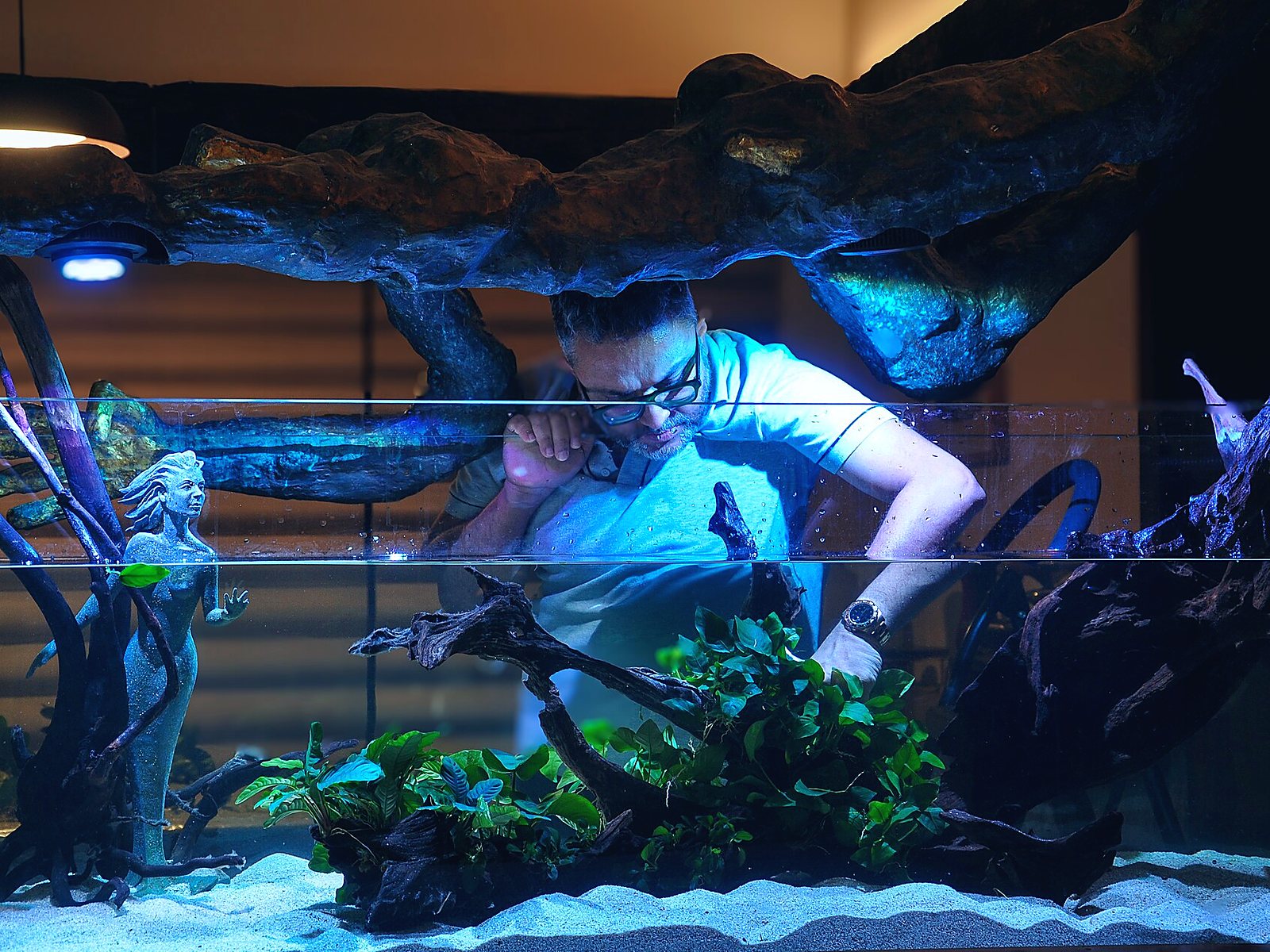
A planted tank from the front

Planting, by hand

Start with the water, not the fish

Your tap already has four numbers, published free.

Hardness, pH, nitrate and which disinfectant your supplier uses decide which fish are easy for you. Almost nobody looks them up.

Yes — show me the whole thing — only $10.00One-time payment · 60-day money-back guarantee
Wood arranged in an empty tank

Why the first tank fails

Your fish didn't die because you're bad at this.

There's no shortage of aquarium advice. There are thousands of videos, a wall of bottles in every shop, and someone behind every counter with an opinion.

What almost none of it gives you is the order. How long the biological part actually takes. What a reading of 0.25 means. Which of those bottles does anything. When the tank is genuinely ready, as opposed to looking ready.

That's all this is. The whole thing, written down, with the numbers on the page — and a hard line it doesn't cross, because a book cannot see your fish.

The part nobody tells you about

Three to six weeks between the tank and the fish.

Nothing visible happens for most of it. The water is clear, the filter hums, the heater is warm, and the tank looks completely finished. It is about a third done, and the remaining two thirds are invisible, which is exactly why the fish go in too early.

  1. Stage 01

    Set it up, add nothing

    Filter running, heater holding, light on a timer. Clear water, warm glass, and a tank that is about a third finished.

  2. Stage 02

    Feed the tank, not the fish

    Ammonia goes in at about 2 mg/L and sits there. For several days nothing moves, and that is the process working.

  3. Stage 03

    Ammonia starts falling

    The first group of bacteria is working. Nitrite appears, which is the first real milestone in the whole project.

  4. Stage 04

    Nitrite climbs off the chart

    Expected. The second group is slower. This is where most people give up, buy something, or put fish in.

  5. Stage 05

    Nitrite collapses

    From unreadable to zero in a couple of days. Nitrate appears, which means the chain is complete.

  6. Stage 06

    The test that says you're done

    Dose to 2 mg/L, wait 24 hours. Ammonia zero and nitrite zero. Then do it once more before you buy anything.

  7. Stage 07

    One species, six of them

    Not one of everything. A small group, lights off, bag floated, shop water down the sink.

  8. Stage 08

    A quarter of the water, every week

    Ten minutes, the same day, forever. The tanks that never have problems are the ones managed identically every week.

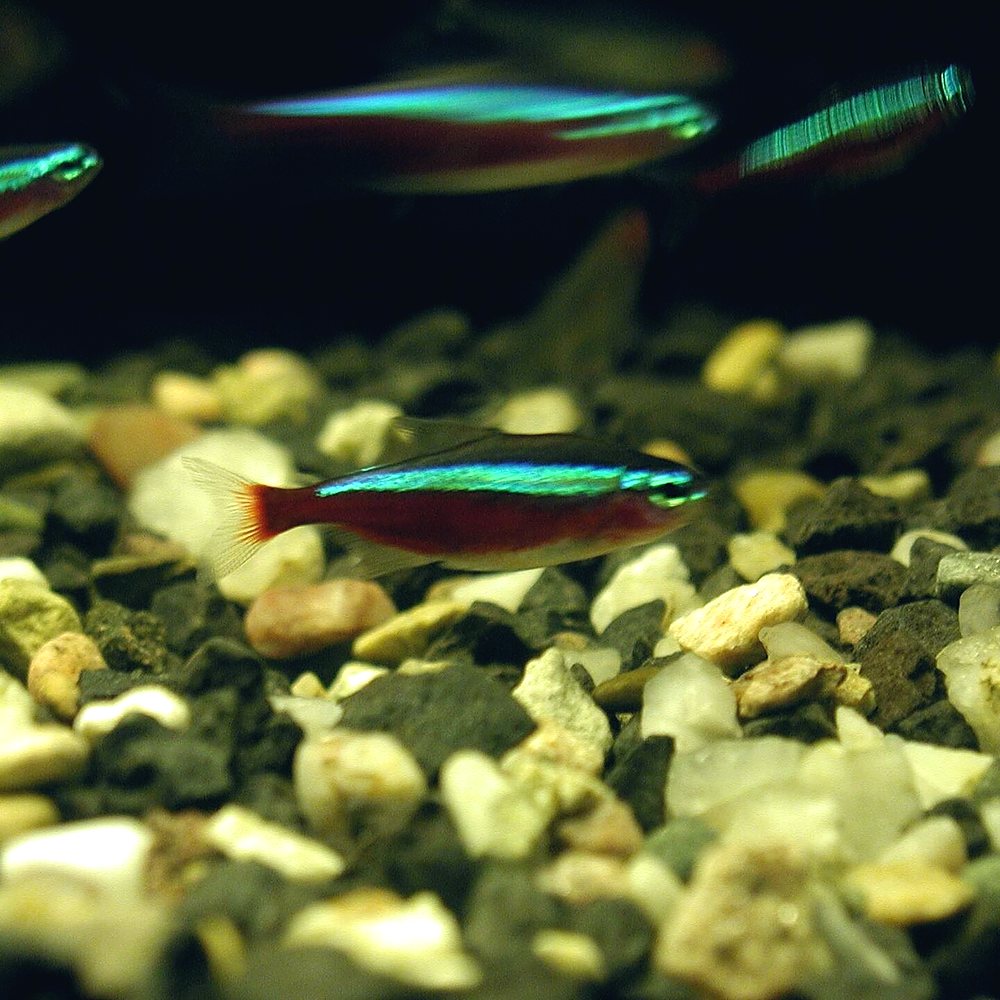
Cardinal tetras over gravel

Six weeks, in order

The finish line is a test, not a date on the calendar.

Dose ammonia to about 2 mg/L and wait twenty-four hours. If ammonia and nitrite both read zero, the tank is cycled. Then do it once more.

Yes — show me the whole thing — only $10.00One-time payment · 60-day money-back guarantee

When it is a vet, not a book: If fish are dying, gasping at the surface, hanging at the top or lying on the bottom, if they have visible wounds, growths, cloudy eyes or a bloated body, if they stopped eating, or if several went wrong at once: test the water today, stop feeding, add nothing to the tank, and take the numbers and a clear photograph to a veterinarian who treats fish or a specialist aquatic shop. There is no medication in this collection and there never will be.

Aquarium plants, massed

The part nobody counts

A planted tank is easier than an empty one, not harder.

Plants and algae want the same light and the same nutrients. A tank planted heavily on day one takes most of it, which is why heavily planted tanks rarely get a serious algae problem and bare, brightly lit ones very often do.

And almost everything that kills a beginner's plants is one mistake in three forms: a buried rhizome, a buried crown, or a bunch of stems planted as a bunch. All three take weeks to show, which is long enough that nobody connects it back to planting day.

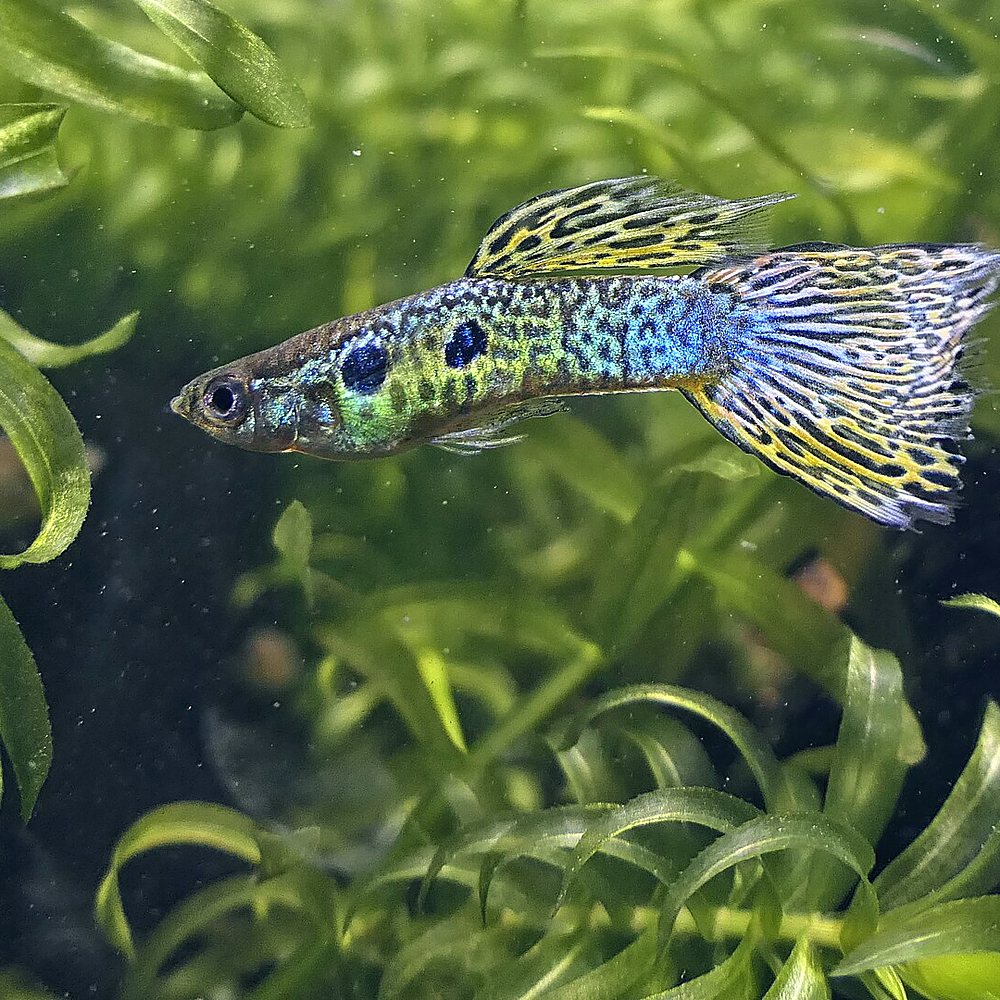
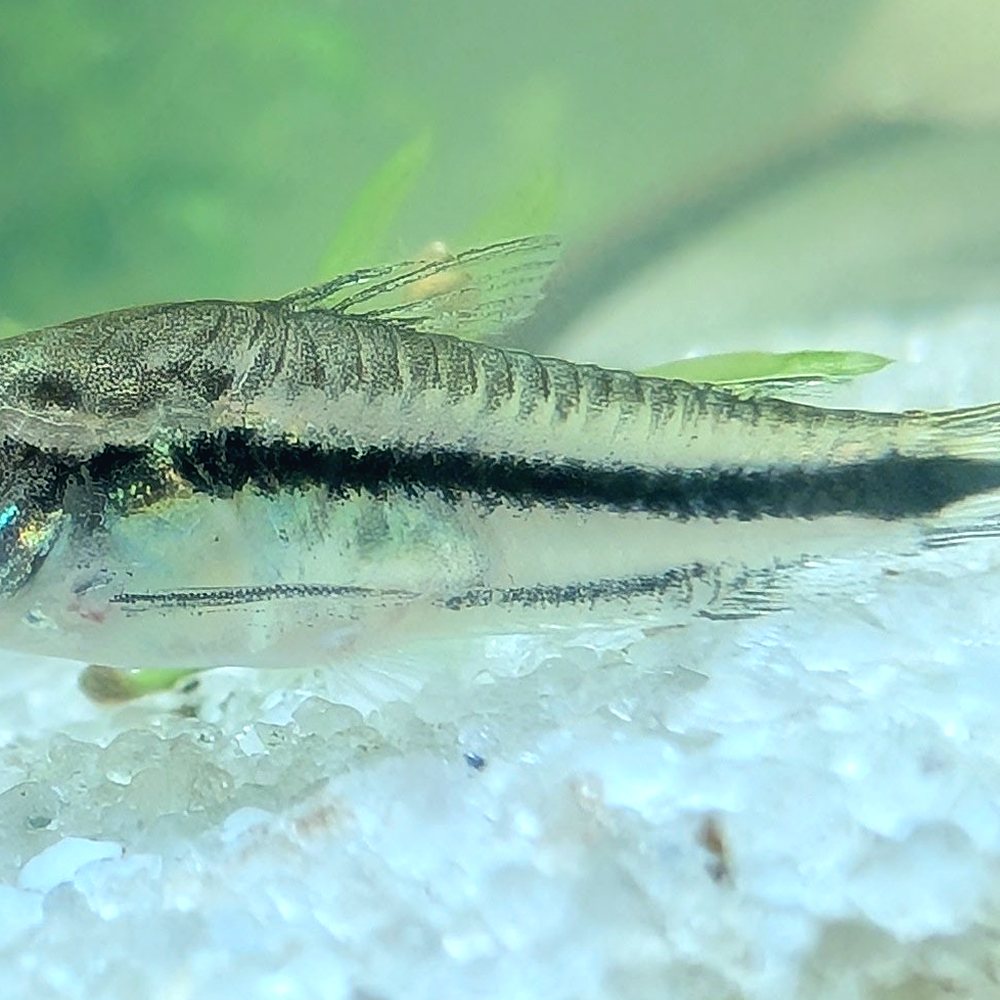
Cardinal tetras over gravelAquarium plants, massedA guppy over greenPygmy corydoras on pale sand

The shelf

The method, and five modules

The method is the whole setup. Each module is one of the jobs it keeps pointing at, and each one stands alone.

60days

60-day money-back guarantee

If the ebook is not what you expected, write within 60 days and you get your money back in full. You keep the file. No form, nothing to return, and you do not have to explain why.

What these are not

Not a promise about your fish
Educational material about keeping a freshwater aquarium. The nitrogen cycle is chemistry you can learn from a page; an animal is an animal, and nothing here promises you an outcome in a living thing.
No medication, anywhere
No drug names, no doses, no treatment schedules, no salt protocols sold as a cure. Fish disease is identified by looking at the animal and testing its water, and both have to happen where the fish is.
No brands, no sponsorship
No manufacturer of tanks, filters, heaters, food, fertiliser, test kits or bottled bacteria pays to appear here.
The photographs are editorial
None of the aquariums pictured on this site was set up using this method, none belongs to a customer, and no photograph of a fish is offered as evidence that a fish is healthy. Sources are on the credits page.
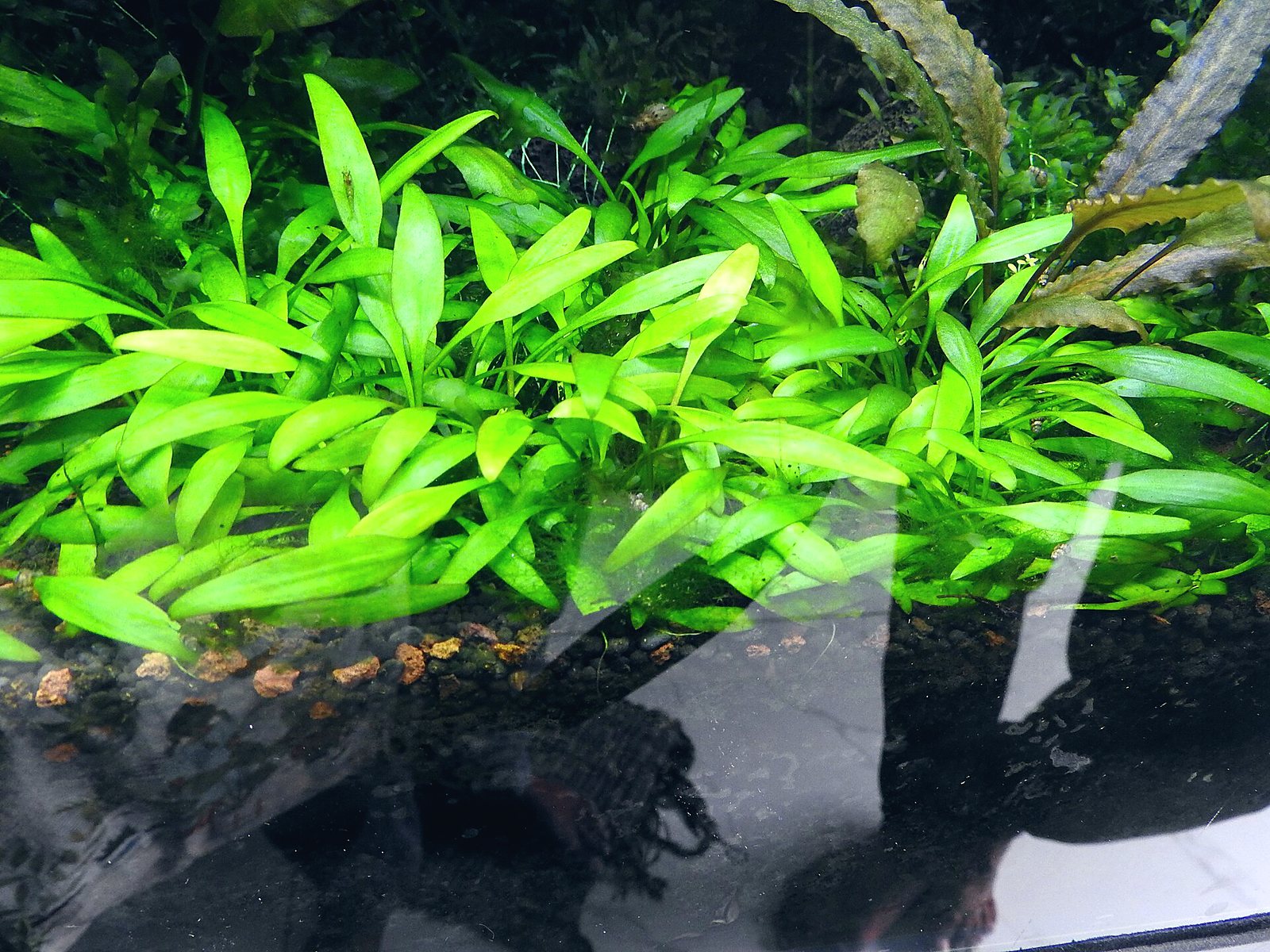
Cryptocoryne, grown in

Ten dollars, once

No subscription. No list. No upsell.

One payment, instant download, and 60 days to get your money back if it is not for you. You keep the file either way.

Yes — show me the whole thing — only $10.00One-time payment · 60-day money-back guarantee

This is educational material about keeping a freshwater aquarium. It is not veterinary advice, it does not diagnose anything, and it does not treat anything. There are no medications, doses or treatment protocols anywhere in this collection. Sick or dying fish mean a water test today and a veterinarian who treats fish, or a specialist aquatic shop, in person. No book can promise you that a living animal will survive.

The Cycled Tank $10.00 one-time · 60-day money-back guarantee
Yes — show me the whole thing — $10.00Get it — $10.00